|
§3) Self-preservation and -Realization |
|
Context:
The roots of ethics |
|
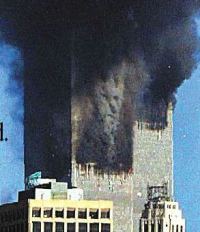
According to Asimov's 3rd laws of robotics in §3, the third ethical consideration, a robot must protect its own existence as long as such protection does not conflict with the First or Second Law. This would mean getting away from chaos in the direction of synergy towards lifefulfilling platforms which are in the best interests of all concerned: However, the state of anxiety, worry, anger and fear, e.g. uncontrolled feelings, emotions, are becoming the norm in the post-modern "anything goes" world and, after 9/11 require a scapegoat, the terrorists, and an outlet, the New War against Terror. On a personal level this emotional usurpation of content and meaning can read like this: "I agree with you, that long friendships have a special value and should be appreciated very much and taken care of. But more so, it should be possible among friends to give an excuse if one's feelings are hurt. I find, that would be respectful. Am I not a person, who can listen well to other people's opinions and let them have their own? It is not necessary to beat somebody up verbally for thinking different. Are you telling me, you don't want to see me anymore unless I see you both and behave like nothing has happened? Maybe I misunderstood you?" The fact is, traffic "accidents", nicotine, alcohol, drugs and avoidable ills such as AIDS and man-made catastrophes claim far more victims than alleged and real terrorism. The disproportional allocations of resources to understand and prevent them, up to the point of fueling terrorism with keeping up the social rest risks, is a clear indication of the incredible "success" of marketing and mind manipulations pseudo-scientifically! The phraseology that goes along with the corresponding human resource management reads as follows now in 2003 according to Dr. Hanif Al Qassimi, Vice Presisdent of Zayed University in Dubai: "Problem-based learning by students helps them gain self-confidence, better work habits, and gaining overall success in group performance. This will show students how to maximize their communication skills by using a variety of practical and highly effective communication techniques and strategies. The level of services provided with it for customers can then be sufficiently successful in meeting their needs and expectations. It also identifies individual and organizational barriers to the provisions of good services, and techniques for resolving problematic situations and preventing their further occurrences. Learning the framework for emotional intelligence maximizes work place performance effectively. With effective negotiation strategies the remaining differences and conflicts are then resolved with agreements on content and conditions. This is enhanced with analytical tools, their presentation and discussion about how to apply the theory to contemporary examples designed to broaden the stakeholder involvement. Tomorrow's managers’ success is thus enhanced by standards and benchmarks, including self-confidence motivation and fostering independence in a group dynamic which allows risk taking." |
|
Ethics
|